Stone Masonry vs. Brick Masonry: Key Differences
People exploring stone masonry vs. brick masonry often seek skilled local contractors to help with durable, aesthetically pleasing stonework or brickwork for their projects.
If you’re exploring options for masonry work on your property, understanding the key differences between stone masonry and brick masonry can help inform your decision-making. Property owners in the area often consider these materials for features like walls, facades, or fireplaces, and knowing what sets them apart can ensure the results meet both aesthetic and practical needs. Local contractors skilled in stone masonry can provide insights into how natural stone’s durability and timeless appearance compare to the versatility and uniformity of brick, making it easier to choose the right approach for your project.
Continuing with this topic can reveal practical reasons why one material might be preferable over the other, depending on factors like climate, maintenance, and overall design goals. Whether you’re aiming for a classic look or seeking a resilient structure, local service providers experienced in stone masonry are equipped to help bring your vision to life. Keep reading to discover how these differences can impact your property and how trusted local pros can assist in achieving a durable, attractive result.
- Stone masonry - ideal for constructing durable, natural stone walls and features where longevity is a priority, with local contractors specializing in precise stone placement and craftsmanship.
- Stone masonry - suitable for restoring historic buildings or creating custom stone facades, with service providers experienced in working with various types of natural stone.
- Stone masonry - used for building foundations or retaining walls that require high strength and weather resistance, with local pros applying specialized techniques for stability.
- Stone masonry - often chosen for decorative elements like fireplaces or sculptures, with local artisans focusing on detailed carving and finishing.
- Stone masonry - appropriate for projects needing a natural, rustic appearance, with local contractors offering tailored solutions to match specific aesthetic preferences.
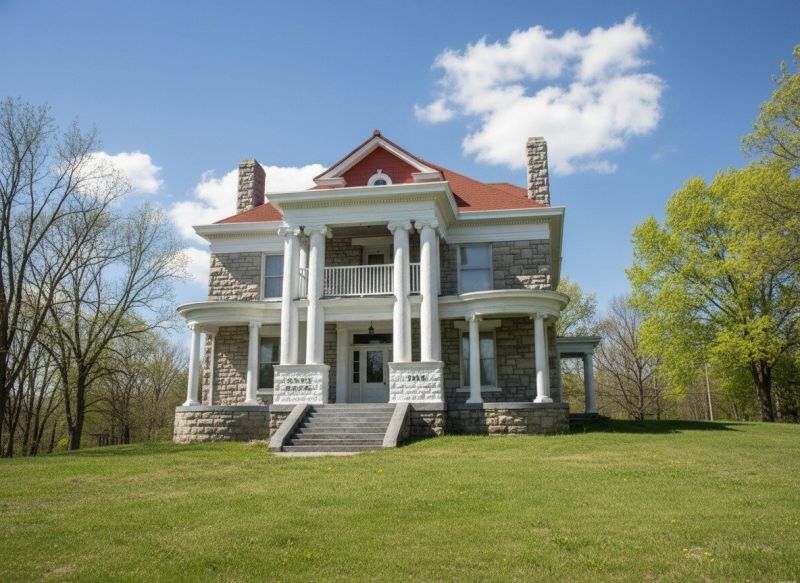
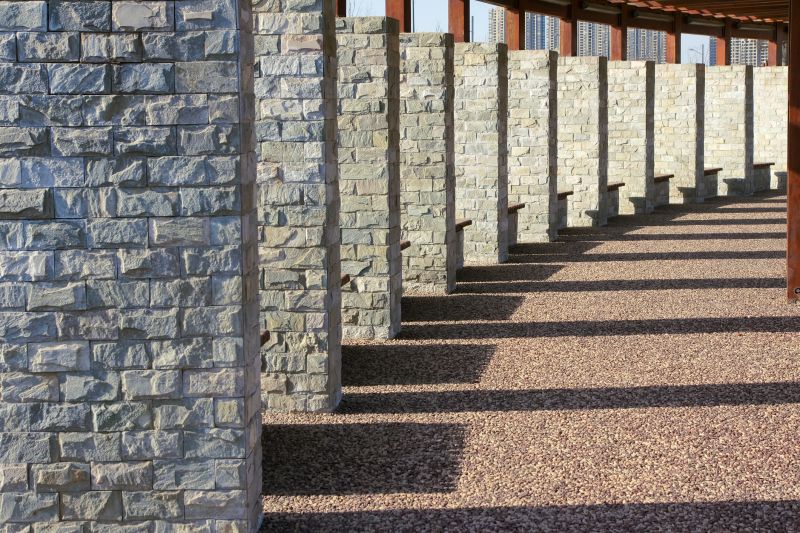
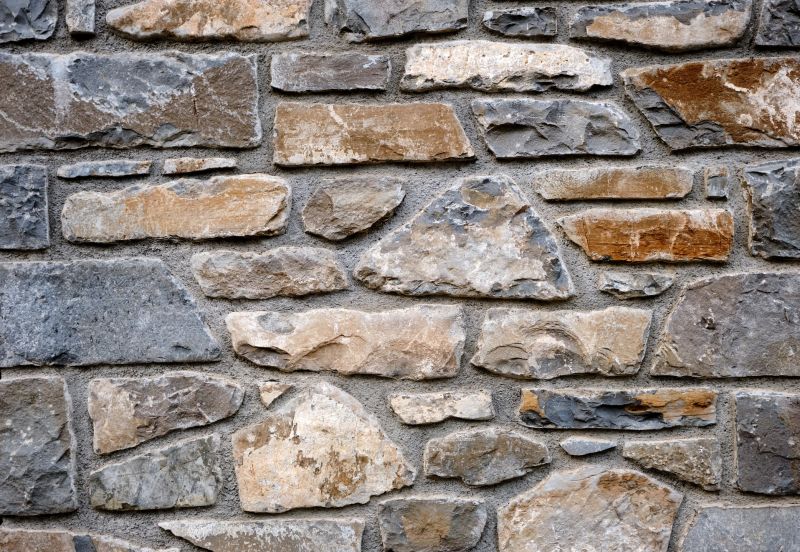
When homeowners search for information about stone masonry versus brick masonry, they are often trying to understand the fundamental differences between these two traditional building methods. This comparison typically arises during planning for projects such as building or restoring exterior walls, fireplaces, retaining walls, or decorative facades. People usually want to know which material is more durable, visually appealing, or suitable for specific architectural styles. Understanding these distinctions helps homeowners make informed decisions about the right approach for their property, especially when considering the long-term performance and aesthetic qualities of their investment.
These topics are closely related to projects involving structural or decorative elements that require a combination of strength, appearance, and longevity. For example, a homeowner might be contemplating a new outdoor fireplace, a garden wall, or a façade upgrade and needs to decide whether stone or brick will best meet their needs. Problems such as weather resistance, maintenance requirements, or matching existing structures often prompt inquiries into these masonry types. Plans for new construction or renovation frequently involve discussions about which material will provide the desired look while maintaining durability over time, making it crucial to work with experienced local contractors who specialize in either stone or brick masonry.
The types of properties that typically feature stone or brick masonry projects include historic homes, modern residences, commercial buildings, and public spaces. Historic properties often showcase stone or brickwork as part of their original design, which may require restoration or replication. Modern homes may incorporate brick for a classic look or stone for a more natural appearance, especially in outdoor features like patios or retaining walls. Commercial properties and public venues often use masonry for both aesthetic appeal and structural integrity, making the choice between stone and brick an important factor in achieving the desired style and function. Local service providers are well-equipped to handle these diverse property types, offering expertise tailored to the specific demands of each project.
Understanding the key differences between stone masonry and brick masonry helps homeowners recognize how each material can influence the overall outcome of their project. Stone masonry generally involves larger, natural stones that are either dry-stacked or held together with mortar, providing a more rugged, timeless appearance. It tends to be more durable and weather-resistant but can require more extensive labor and higher material costs. Brick masonry, on the other hand, uses manufactured clay or concrete bricks that are uniform in size and shape, allowing for a cleaner, more controlled finish. It’s often easier to work with for detailed or intricate designs and can be a practical choice for projects requiring precise alignment. Local contractors experienced in either type of masonry can help determine which material best suits the property’s style, structural needs, and long-term performance goals.
Stone Veneer Installations - local contractors skilled in stone veneer work can help clients understand how stone masonry techniques differ from brick and when each is appropriate.
Retaining Wall Construction - building retaining walls requires expertise in both stone and brick materials, making it a relevant project for masonry service providers.
Fireplace and Chimney Masonry - designing and constructing fireplaces or chimneys involves masonry skills similar to those used in stone and brick work, emphasizing material selection and structural planning.
Facade Restoration Projects - restoring or repairing building facades involves detailed knowledge of stone and brick masonry to match original materials and techniques.
Paving and Walkway Projects - creating durable stone or brick pathways involves planning and skill sets aligned with those used in stone masonry versus brick masonry.
Column and Arch Construction - constructing decorative or structural columns and arches requires expertise in stone and brick materials, highlighting differences in handling and aesthetics.
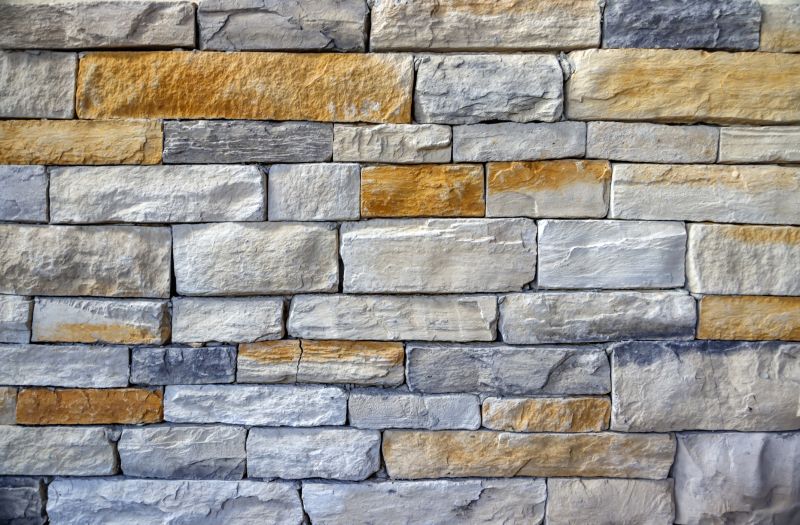
When comparing local contractors for stone masonry versus brick masonry projects, it’s important to consider their experience with similar types of work. Stone masonry often involves working with large, irregular pieces that require specialized techniques, while brick masonry typically relies on uniform, smaller units that can be laid more quickly. Service providers with a proven track record handling projects similar in scope and material can offer valuable insight into what to expect and ensure the work aligns with your vision. Asking potential contractors about their past projects involving stone or brick can help gauge their familiarity with the unique challenges each material presents.
Clear written expectations are essential when choosing between stone and brick masonry services. Different materials have distinct installation methods, durability considerations, and aesthetic qualities, so it’s important that service providers can articulate their approach in detail. A reputable local contractor should be able to provide a comprehensive scope of work, including the types of materials they plan to use, the techniques they will employ, and the expected outcomes. This clarity helps prevent misunderstandings and ensures everyone is aligned on the project’s goals from the outset.
Reputable references and good communication are key factors when evaluating local pros for stone or brick masonry work. Contractors with positive references from previous clients can demonstrate a history of delivering quality results and professional service. Additionally, responsive and transparent communication throughout the process reflects a contractor’s commitment to client satisfaction and project transparency. When considering stone masonry services, it’s especially helpful to speak with past clients about their experiences, particularly regarding the contractor’s ability to handle the complexities of working with natural stone and to maintain open dialogue throughout the project.
Property owners often search for stone masonry vs. brick masonry: key differences when they are planning practical projects around their homes and businesses. Local pros provide Stone Masonry services for everyday jobs and straightforward project options.
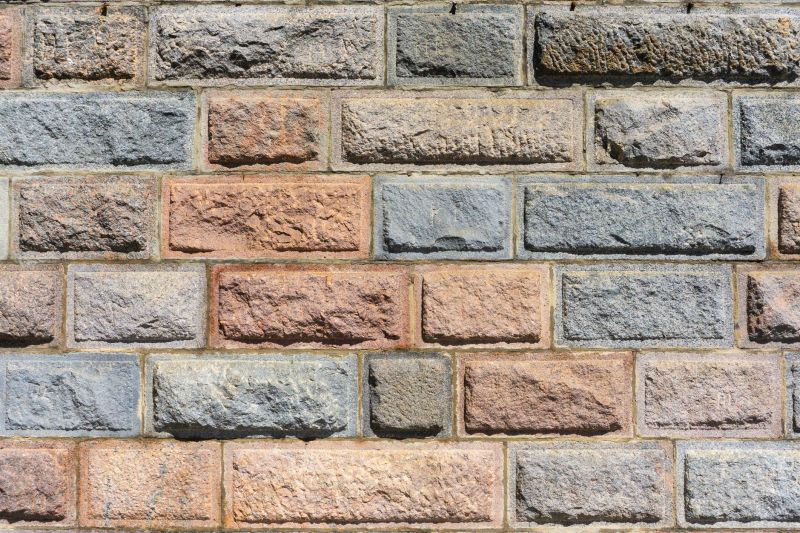
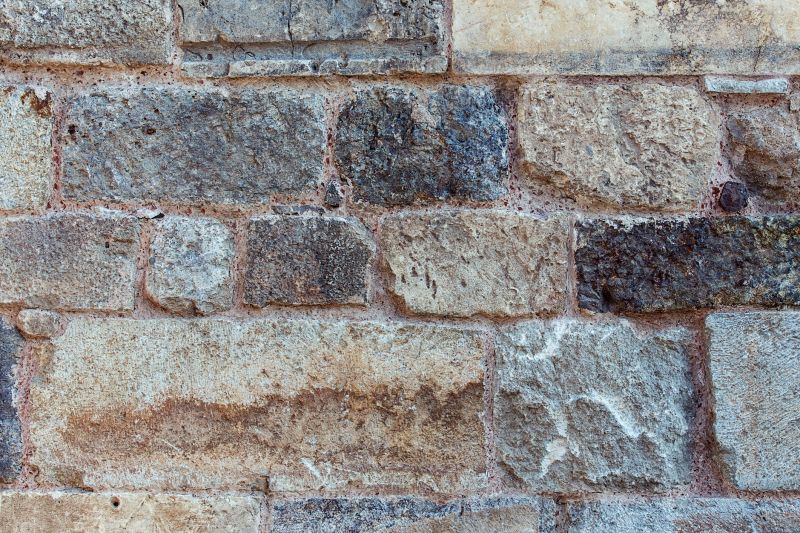
Understanding the differences between stone masonry and brick masonry can help property owners make informed decisions for their projects. For example, stone masonry often offers a more natural, timeless appearance and tends to be more durable, making it suitable for retaining walls, outdoor facades, or features that require longevity. Brick masonry, on the other hand, is typically more affordable and easier to work with, making it a popular choice for building walls, fireplaces, or decorative elements. When considering these options, property owners in the area might look up this topic to determine which material aligns with their aesthetic preferences, budget, and project requirements.
Local contractors specializing in stone masonry can provide valuable insights into the advantages and limitations of each material. They can help evaluate the specific needs of a project, such as structural stability or visual appeal, and recommend the best approach. Whether a property owner is interested in the rustic charm of natural stone or the versatility of brick, experienced service providers can handle the work efficiently and ensure the finished project meets expectations. Exploring these differences with the help of local experts can lead to a more successful and satisfying outcome.
What are the main material differences between stone masonry and brick masonry? Stone masonry uses natural stones that are often irregular in shape and size, providing a unique, durable appearance. Brick masonry involves uniform clay bricks that are manufactured to consistent dimensions, offering a more standardized look.
How do the structural strengths of stone masonry and brick masonry compare? Stone masonry generally offers greater strength and load-bearing capacity due to the natural density of stones. Brick masonry is also strong but may require additional reinforcement for heavy structural applications.
In terms of appearance, how do stone and brick masonry differ? Stone masonry provides a rustic, natural look with varied textures and colors, while brick masonry offers a more uniform, classic appearance with clean lines and consistent color.
Are there differences in maintenance needs between stone and brick masonry? Stone masonry typically requires less maintenance over time because of its durability, whereas brick masonry may need periodic repointing or cleaning to maintain its appearance.
What types of projects are better suited for stone masonry services? Local contractors recommend stone masonry for projects that demand high durability, a natural aesthetic, or structural features like retaining walls and facades that benefit from the strength of natural stone.
Choosing durable materials - property owners can work with local contractors to select stone or brick for outdoor features that withstand weather and time.
Matching style with architecture - local pros can help design masonry that complements the property's overall aesthetic, whether using stone or brick.
Considering installation methods - practical projects may involve consulting experts on the best techniques for stone masonry versus brick masonry for walls or accents.
Planning for maintenance needs - property owners can discuss with local service providers how each type of masonry ages and what upkeep might be required.
If you are thinking about stone masonry vs. brick masonry: key differences for a property, this guide is meant to help you understand this topic, the typical project types, and how different options might fit your plans.
When you are ready, you can use the quote form on this page to share a few details about your project. From there, local pros can review the basics and follow up with options that match what you have in mind.